Now that the energy of event season has faded and your main customer event is in the rearview mirror, you might be tempted to take a breather. Yes, take a breather, decompress, sign off for a bit—but then get right back at it. The weeks immediately following your event are the most critical time to start planning for the next cycle, while insights are fresh, stakeholder feedback is flowing, and your team's collective memory hasn't faded.
Why Start Now?
The question of "what should our event strategy be" shouldn't be a scramble six months out. Should you go all-in on one flagship event with smaller regional touchpoints? Focus exclusively on industry conferences? Create a hybrid model? These strategic decisions need breathing room, cross-functional input, and thoughtful iteration. Starting now means your team hits the ground running when planning season officially kicks off.

The Backwards Planning Timeline
A quick note before we dive in: These are thought-starters, not gospel. Every company, every event, every team operates differently. We're sharing what we're seeing across the industry and from our own experience—use this as a reference point, adapt what works, and toss what doesn't. The real winning formula? Having clear goals and starting earlier than feels comfortable.
If your main customer event is October 1st, here's the critical path that gets you there with sanity intact:
12 Months Out (October - November)
Strategy Session: Convene stakeholders to align on event goals with business objectives
Format Decision: Determine primary event structure (single flagship vs. multi-city tour vs. hybrid + online element)
Budget Framework: Establish preliminary budget and secure executive buy-in
Retrospective: Conduct thorough post-mortem of this year's event while memories are fresh
Content Strategy: Strategize on how to capture and build content from previous events into future ones (speaker talks, customer stories, product features, sponsors, etc.). This helps determine and set up the right marketing and creative team
10 Months Out (December - January)
Venue Selection: Lock in location and venue
Note: If you've found your venue sweet spot and the contracts are right, consider locking in 2-3 years in advance. Many successful programs secure the same venue annually, creating consistency for attendees and leverage with vendors.
Theme & Messaging Foundation: Begin exploring creative themes that align with product roadmap
Tech Stack Audit: Review and update event management software and integration points
8 Months Out (February)
Theme Finalization: Lock in messaging pillars and creative direction
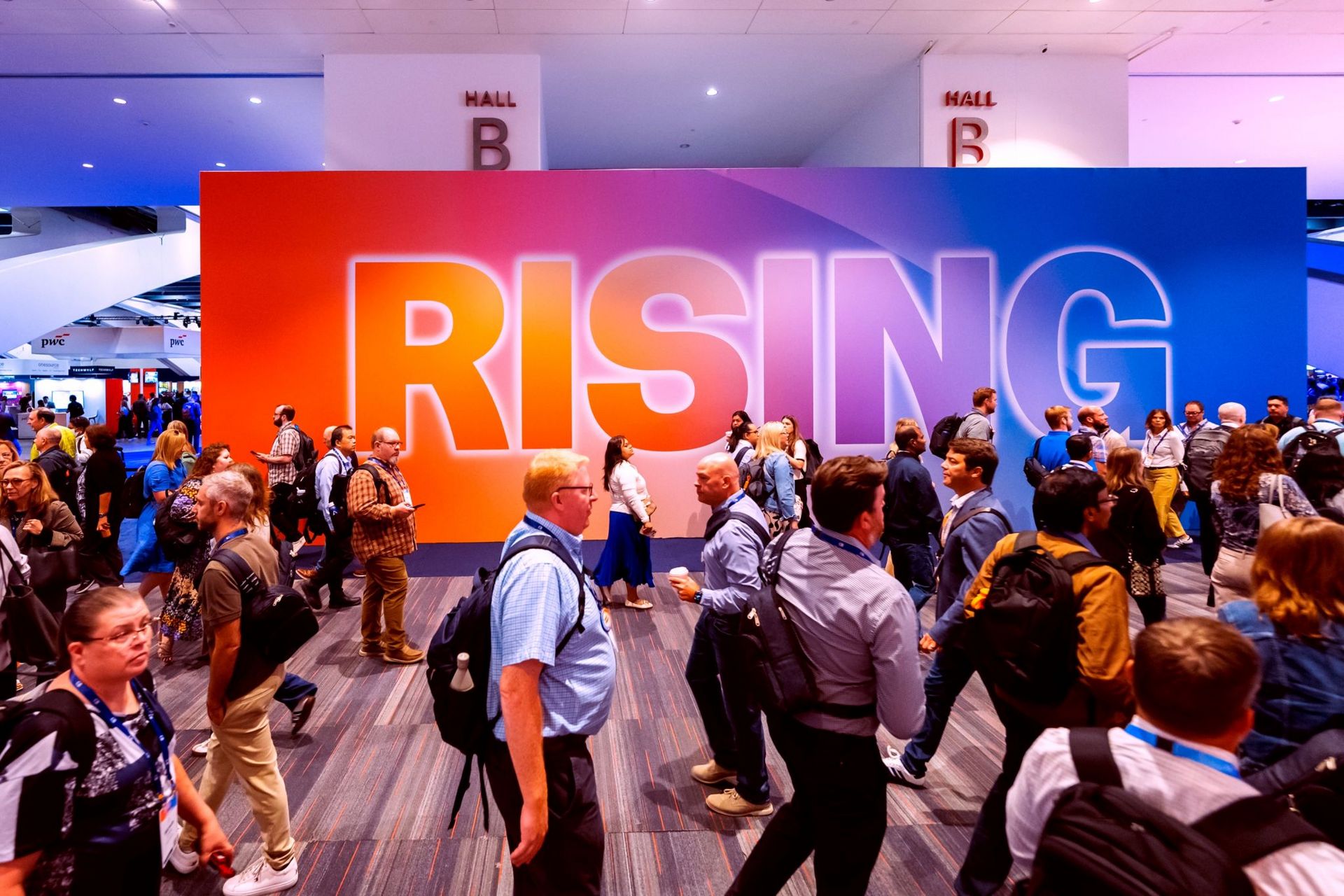
Your main customer event is prime real estate for launching new brand visuals, unveiling a core campaign, or debuting evolved messaging. In-person events are your stage—think festival vibes, immersive experiences, even Netflix House-level production. This is where your brand gets to show personality, have fun, and create those "you had to be there" moments.
Sponsorship Prospectus: Develop sponsor packages and pricing structure
Hot tip: Try to lock in some sponsorships during the current event
Vendor RFPs: Issue requests for proposals to AV, production, and catering vendors

6 Months Out (March - April)
Vendor Contracts: Finalize and sign agreements with all major vendors
Recommend building these for multiple years (with outs as needed). Longer agreements help creative partners apply learnings from one year into the next.
Speaker Outreach: Begin recruiting keynotes and session speakers
Partner Commitments: Secure sponsor commitments and booth reservations
Registration Platform: Launch early-bird registration
4 Months Out (May - June)
Content Development: Finalize session descriptions, speaker prep begins
Marketing Launch: Kick off promotional campaigns across channels
App & Technology: Configure event app, networking tools, and virtual platform if applicable


2 Months Out (July - August)
Attendee Communications: Ramp up touchpoints with registered attendees
Rehearsals & Run-throughs: Conduct dry runs for key sessions
Final Vendor Confirmations: Lock in headcounts, AV needs, F&B requirements
1 Month Out (September)
Logistics Finalization: Confirm transportation, hotel blocks, staffing
Attendee Experience Details: Finalize swag, signage, mobile app content
Team Briefings: Comprehensive staff and volunteer training
Creative Support: Have your creative team available for quick, last-minute needs to ensure all content and signage follow the brand look, feel, and design

Week Of (Late September)
On-site Setup: Arrive early for load-in and final checks
Last-minute Adjustments: Remain flexible for inevitable surprises
Real-time Monitoring: Track attendance, engagement, and experience metrics

Looking for more event planning insights? Check out BoldPush Insights for additional resources.

Technology as Your Planning Backbone
An effective event planning strategy for tech companies isn't just about timelines—it's about leveraging your stack:
Integration is Everything: Your event management software should talk to your CRM, marketing automation, and analytics tools seamlessly
Data-Driven Decisions: Use registration trends, session popularity, and engagement metrics from previous events to inform content and format choices
Interactive Elements: Plan for live polling, Q&A platforms, networking features, and gamification early in the process
Virtual Inclusion: Even for in-person events, consider livestreaming key sessions and creating digital engagement opportunities. But be careful not to give too much away—you want the in-person experience to feel special, exciting, and worth attending
The Evolving Conversation
Here's what separates good event planning from great event planning: making strategy an ongoing dialogue rather than a one-time decision. Schedule quarterly check-ins with stakeholders to:
Review registration pacing and adjust marketing tactics
Assess product roadmap changes that might impact messaging
Evaluate industry trends and competitive events
Refine budget allocation based on sponsor commitments and attendance projections
These touchpoints ensure your event evolves with your business rather than being set in stone a year in advance.
And as we talk with leadership, remember: events and brand work aren't only measured by ticket sales and attendance numbers. They're proven when sales team members are getting calls more easily, renewals are happening more quickly, and deals close faster. Deals get done when customers see and trust the product and brand.

Measuring What Matters
Before you dive into next year's planning, establish your success metrics now:
Business Impact: Pipeline generated, deals influenced, customer retention
Engagement Quality: Session attendance rates, app usage, networking connections made
Experience Scores: NPS, post-event surveys, social sentiment
Efficiency Gains: Cost per attendee, team hours invested, vendor performance
These benchmarks become your north star for planning decisions and help you make the case for budget and resources.
Your Action Items This Week
Don't let the momentum slip away. Here's what to tackle now:
Schedule your strategy session with key stakeholders
Document learnings from this year's event while they're fresh
Create a shared planning timeline with milestone owners
Audit your technology stack for gaps and integration opportunities
Block time on calendars for those critical quarterly check-ins
The events that look effortless? They're the ones that started with a plan and a team working in lockstep. They have a creative partner with the right team setup and expertise. They're built on clear, ongoing communication with leadership, partners, vendors, and everyone involved.
Here's the thing: events shouldn't be surprises. The best B2B tech events have plenty of lead-up, consistent communication touchpoints, and yes—adequate budget. The goal isn't just to put on a show. It's to create an environment where attendees learn something valuable, have genuine fun, see real-life product applications they can bring back to their bosses and teams, and leave feeling energized about your brand.
That doesn't happen by accident. It happens because you started planning today.
What's your biggest event planning challenge? What timeline tweaks work for your team? Reply to this email—I'd love to hear what's on your mind as you gear up for next cycle. Let's keep the dialogue going.
Connect with us: Follow Circle Back on LinkedIn!
Circle Back with y'all soon! 🚀
Your Circle Back team


